

Photo by Freepik
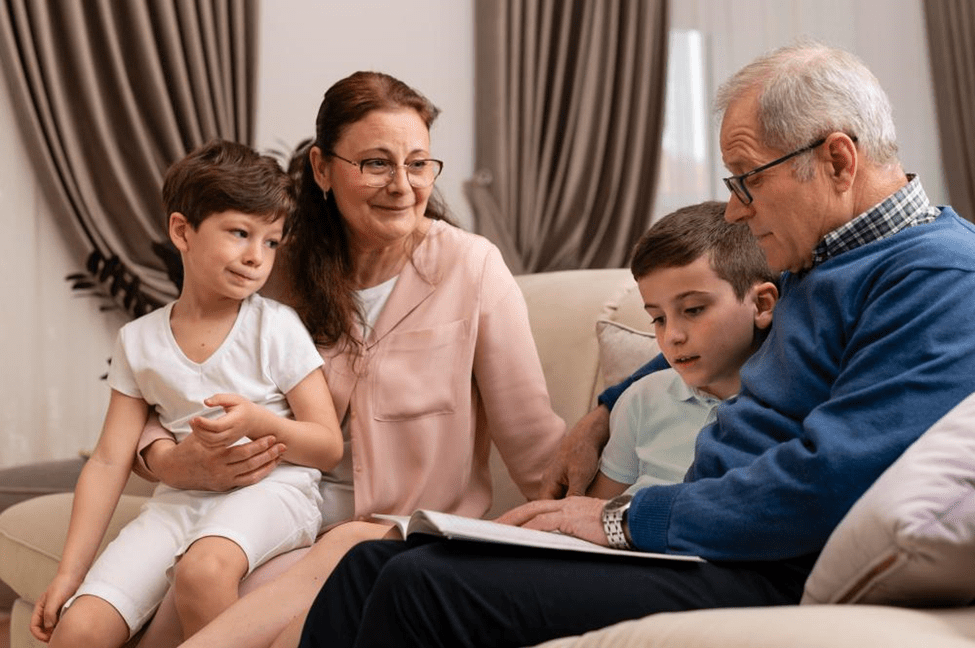
Living in a multigenerational home can bring unique challenges and meaningful rewards. With grandparents, parents, and children under one roof, the dynamic requires careful consideration of space, routines, and communication. Balancing individual needs while fostering shared experiences takes thoughtful planning and mutual respect. With the right approach, a multigenerational home can become a thriving environment where relationships deepen and everyone feels valued.
Make the Most of Your Space
Maximizing space in a multigenerational home requires creative solutions that balance privacy and shared living. Thoughtful furniture arrangements, like multifunctional pieces and vertical storage, can make rooms more adaptable to everyone’s needs. Designating separate areas for each generation, whether through partitions, guest suites, or dedicated living spaces, fosters a sense of ownership and comfort. Shared spaces, such as kitchens and living rooms, can be optimized with open layouts and smart storage to prevent clutter.
Develop a Shared Calendar
Establishing a family calendar is an essential tool for managing the diverse activities and responsibilities of a multigenerational household. By coordinating appointments, work schedules, school events, and social plans in one central location, everyone stays informed and avoids scheduling conflicts. A shared calendar helps respect each generation’s commitments while identifying opportunities for quality time together. Whether digital or physical, it serves as a clear reference point, reducing stress and minimizing confusion about daily routines.
Bond Over Game Nights
A family game night is a fantastic way to bridge generational gaps and create lasting memories. By mixing timeless classics like Chess and Scrabble with modern games, you can cater to everyone’s tastes. This variety fosters interaction and laughter, key ingredients for a memorable evening. Choose games that are easy to learn and quick to play to keep everyone engaged and minimize frustration, transforming your living room into a joyful hub of connection.
Build a Communication Framework
Effective communication is essential for creating harmony in a multigenerational home, as it helps address concerns and prevent misunderstandings. Regular family check-ins or discussions provide a space for everyone to share their needs, preferences, and expectations. Clear agreements on household responsibilities, schedules, and boundaries help each generation feel respected and valued. Active listening and a willingness to compromise can turn potential conflicts into opportunities for deeper connection.
Meal Plan Together
Setting aside a weekly family meal planning meeting is a simple yet effective way to involve everyone in creating meals that suit the household’s needs. Gathering input allows each generation to contribute their preferences, ensuring that dietary needs and favorite dishes are considered. This shared planning time fosters collaboration and can lead to exciting new ideas or traditions in the kitchen. It also helps streamline grocery shopping and reduces the stress of last-minute meal decisions.
Create a Family Heritage Album
Starting a project like a family heritage album is a meaningful way to celebrate the stories and traditions that connect multiple generations. Gathering photographs, letters, and mementos provides an opportunity for grandparents to share their history while children gain a deeper appreciation for their roots. The process of creating the album encourages collaboration and meaningful conversations, strengthening bonds across the family. Revisiting memories together can spark laughter, nostalgia, and a sense of pride in shared accomplishments and experiences. The finished album becomes a cherished keepsake that preserves the family’s legacy for future generations.
When Aging Adults Need More Care
Recognizing when an aging adult requires more care often begins with noticing changes in their daily routines or health. Difficulty managing personal hygiene, keeping up with medications, or handling household tasks can signal the need for additional support. Increased confusion, mobility challenges, or frequent accidents may also indicate they are struggling to maintain independence. It’s important to have a compassionate conversation about finding accessible care through local assisted living options that prioritize their comfort and well-being. Researching and touring nearby communities together can help ensure the chosen environment meets their needs and feels like a good fit.
In a multigenerational home, the key to success lies in balancing individual needs with collective harmony. By fostering an environment of respect and understanding, families can create a nurturing space that supports growth and connection. Embracing the diversity of experiences and perspectives within the household enriches daily life and strengthens the family unit, paving the way for a future filled with shared memories and mutual support.
Discover innovative green building solutions and sustainable living tips at Miami Green Homes and start your journey toward a more eco-friendly future today!
 Miami Green Homes
Leave a comment