
As 2025 comes to a close, it’s a good moment to pause, look back, and take stock of the ideas that shaped the conversations here at Miami Green Home. This year wasn’t about trends for trend’s sake—it was about fundamentals: how we live, how we build, and how we prepare our homes for a changing climate, changing lifestyles, and a longer horizon.
Highlights from This Year’s Conversations
Climate Resilience & Flood Adaptation
A major theme this year was resilience—especially in South Florida. We explored flood elevation projects, storm hardening strategies, smart material choices, and how to design for rising water without sacrificing architectural quality. Elevating a home doesn’t have to mean awkward proportions or compromised character; done right, it can actually improve light, ventilation, and long-term value.
Indoor Air Quality & Healthy Homes
We dug into the hidden costs of poor indoor air quality: humidity, mold, off-gassing materials, and underperforming HVAC systems. In a hot, humid climate, healthy air isn’t a luxury—it’s a baseline requirement. Thoughtful ventilation strategies, right-sized systems, and material selection can dramatically improve comfort and wellness while reducing energy use.
Biophilic Design & Everyday Wellness
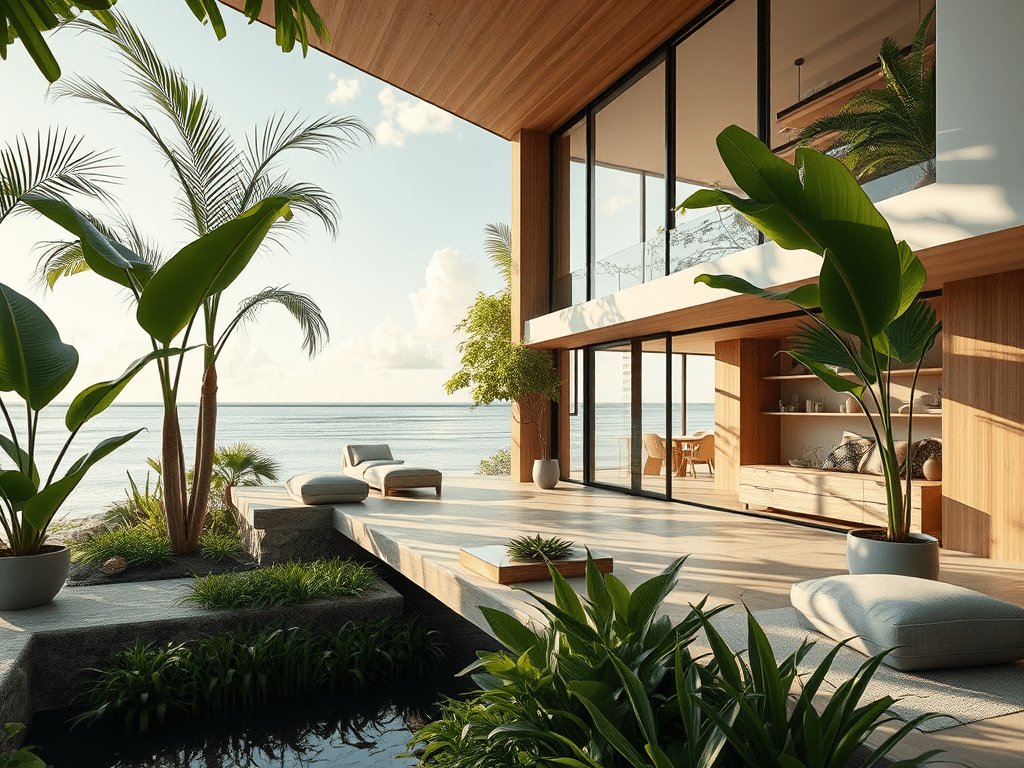
Another recurring topic was biophilic design—connecting people back to nature through daylight, views, natural materials, and outdoor-indoor relationships. Whether it’s a modest renovation or a ground-up project, integrating these strategies consistently proves that better design leads to calmer, healthier spaces.
ADUs, Small Footprints & Smarter Density
Accessory Dwelling Units and compact living solutions continued to be a focus. From backyard studios to guest houses and rental units, we looked at how small buildings can be efficient, flexible, and architecturally meaningful—without feeling like an afterthought.
Future-Proofing by Design
Underlying all of this was a bigger idea: designing for time. Buildings aren’t static objects. They change, adapt, and accumulate data. We talked about digital twins, lifecycle thinking, and why good architecture should anticipate future use, performance tracking, and evolving technologies rather than react to them later.
Looking Ahead to 2026
If 2025 was about awareness and fundamentals, 2026 is shaping up to be about integration—bringing resilience, sustainability, wellness, and design quality together into cohesive, buildable solutions. The goal remains simple: create buildings that age well, perform better over time, and quietly improve daily life.
To everyone who read, shared, commented, or reached out this year—thank you. These conversations matter, and they help push better design forward.
As we head into the new year, we’ll borrow a phrase from Germany:
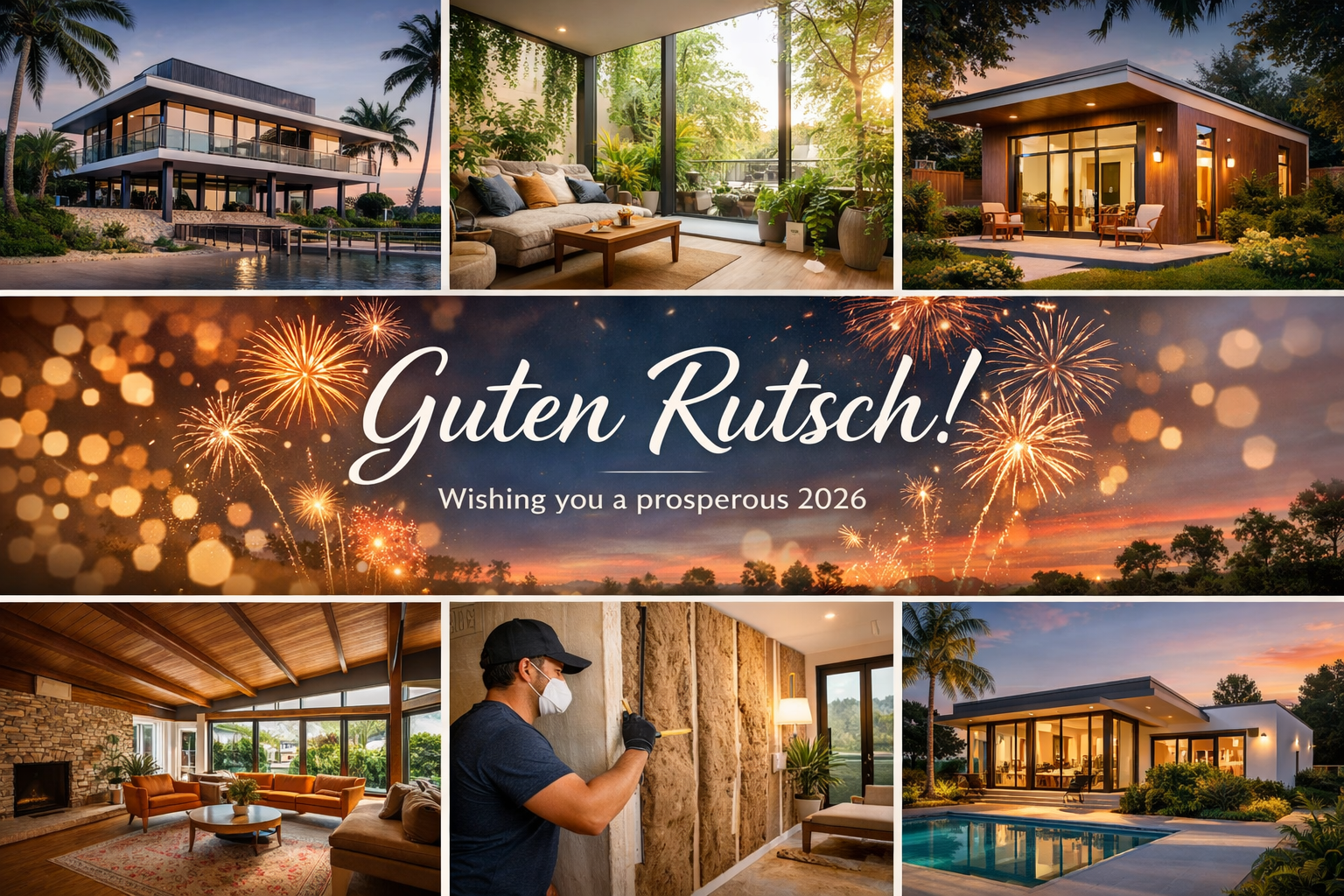
Guten Rutsch — wishing you safe travels, smooth transitions, and a strong start into 2026.
At Sebastian Eilert Architecture, we specialize in sustainable, resilient, and architecturally refined elevation projects across Miami-Dade and South Florida. Whether you’re raising a single-family home or planning a full renovation, we can guide you through permitting, design, green upgrades, and construction.
Contact: sebastian@sebastianeilert.com
Website: https://sebastianeilert.com
Here’s to a healthy, resilient, and thoughtfully designed year ahead !
 Miami Green Homes
Leave a comment