

How to expand sustainably while keeping your footprint light and your future flexible.
Introduction
For eco-conscious entrepreneurs, home is more than a sanctuary — it’s the basecamp of innovation. As your sustainable business evolves, your space may start to feel cramped: supplies stack higher, team members visit more often, and that once-perfect home office now doubles as a shipping zone. Upsizing doesn’t have to mean compromising your green values — it’s about aligning growth with stewardship.
TL;DR
Upsizing your home for a growing eco-business requires balancing sustainability, function, and future flexibility. Focus on energy-efficient design, smart zoning, green financing, and adaptive reuse. Plan holistically — treat your space like an ecosystem, not a warehouse.
1. Why Your Space Matters for Sustainable Scaling
Running an eco-friendly business from home is an art of balance. The right environment reduces waste, improves productivity, and models the sustainability you advocate.
- Energy-efficient upgrades reduce operating costs and environmental impact.
- Dedicated zones separate production, work, and living, helping maintain wellness and organization.
- Green design choices — like solar integration or reclaimed materials — reinforce your mission while appealing to eco-conscious clients.
(See how IKEA’s Green Workspace Guide and Earth911’s Home Energy Tips explore sustainable spatial design for small businesses.)
How-To: The Green Expansion Checklist
Step 1: Audit your current energy use — check insulation, HVAC, and appliance efficiency.
Step 2: Identify underused zones before adding square footage.
Step 3: Choose local contractors with LEED or Passive House experience.
Step 4: Integrate renewable energy sources like solar panels or geothermal loops.
Step 5: Upgrade to smart thermostats and motion-based lighting systems.
Step 6: Use modular or repurposed furniture to keep build waste minimal.
Step 7: Consider low-VOC paints and natural flooring materials such as cork or bamboo.
(Resources worth browsing: Energy Star, Sustainable Furnishings Council)
The Eco-Upsizing Table
| Goal | Sustainable Strategy | Example Resource |
| Energy Efficiency | Insulate attic & walls; install solar array | Solar United Neighbors |
| Eco Materials | Use reclaimed wood, recycled glass, or hempcrete | Green Building Supply |
| Water Management | Add greywater recycling and rain barrels | EPA WaterSense |
| Indoor Air Quality | Incorporate plant walls or HEPA air purifiers | GreenGuard Certified |
FAQ — Smart Growth, Simple Answers
Q1: How can I expand without losing my home’s efficiency?
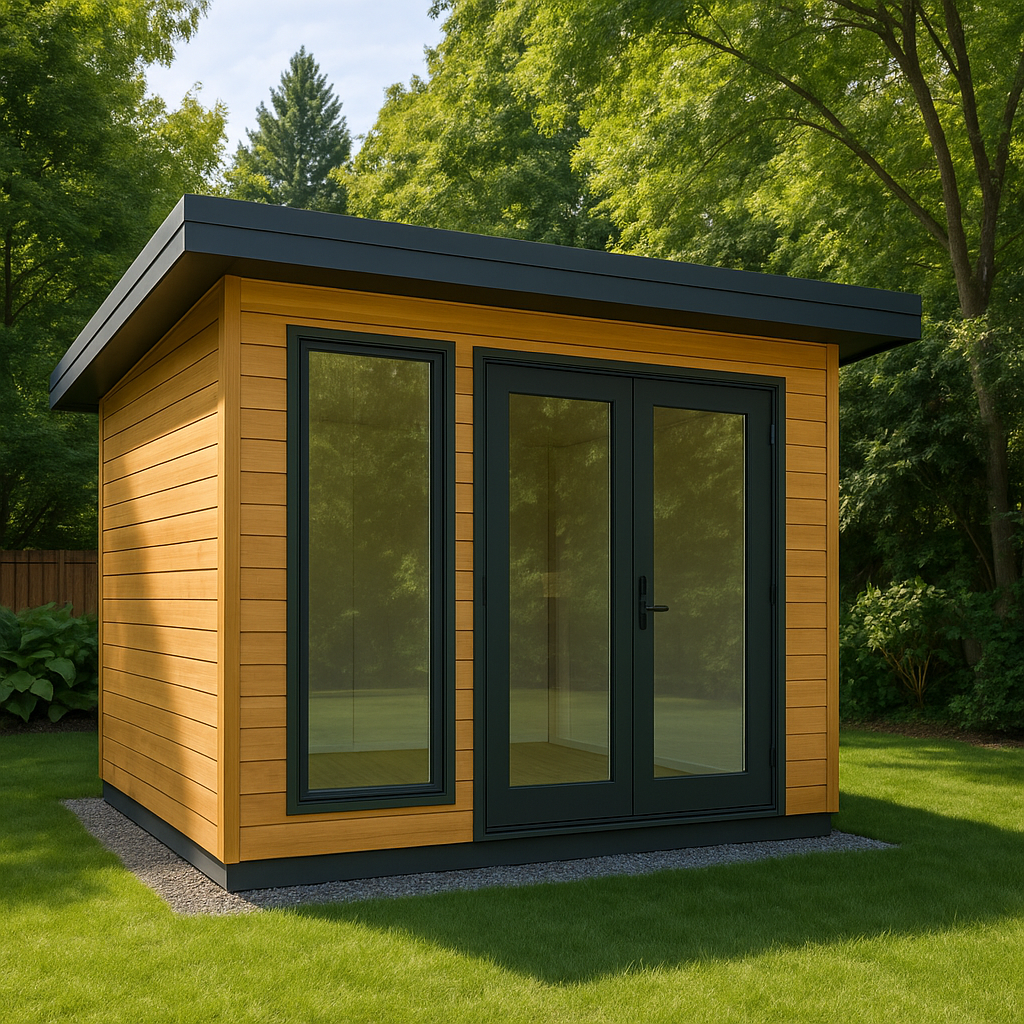
A: Focus on “passive expansion.” Add space that doesn’t demand extra energy — sunrooms, modular pods, or retrofits with high insulation and solar gain control.
Q2: Is it better to remodel or relocate?
A: If your current home has renewable potential (south-facing roof, strong foundation, green zoning), remodel. Otherwise, moving to an energy-optimized property may yield better long-term ROI.
Q3: What about financing?
A: Look for green home improvement loans or state-sponsored sustainability incentives like Energy Efficient Mortgage programs.
Q4: Can expansion still qualify for local eco-certifications?
A: Absolutely. Many municipalities have retrofit-friendly green programs, such as Living Building Challenge renovations or Net Zero Ready certifications.
Building Skills for the Next Growth Phase
Sometimes expanding your physical space parallels the need to expand your business skillset. If you’re managing supply chains, marketing, or hiring sustainably, advancing your business education can bring clarity.
For example, going back to school for an advanced degree — like an MBA — can strengthen your ability to scale responsibly. A master’s in business administration equips you with expertise in leadership, strategic planning, financial management, and data-driven decision-making to thrive in diverse business environments. For entrepreneurs running operations from home, online degree programs are a good option to consider — they let you study while managing your growing business.
Spotlight: The Compact Solar WorkPod
One inspiring eco-upgrade is the Compact Solar WorkPod — a prefabricated micro-office powered by rooftop solar panels. It’s designed for small business owners needing privacy, energy independence, and minimal footprint. The manufacturer provides modular kits made from recycled aluminum frames and low-emission glass (visit the manufacturer’s site). It’s a great hybrid of mobility and sustainability.
Summary
Upsizing your home to grow your eco-conscious business isn’t just a property move — it’s an ecosystem shift. Think of each renovation as a signal of intent: to work cleaner, live lighter, and scale smarter. The future belongs to those who expand with purpose, not excess.
 Miami Green Homes
Leave a comment