
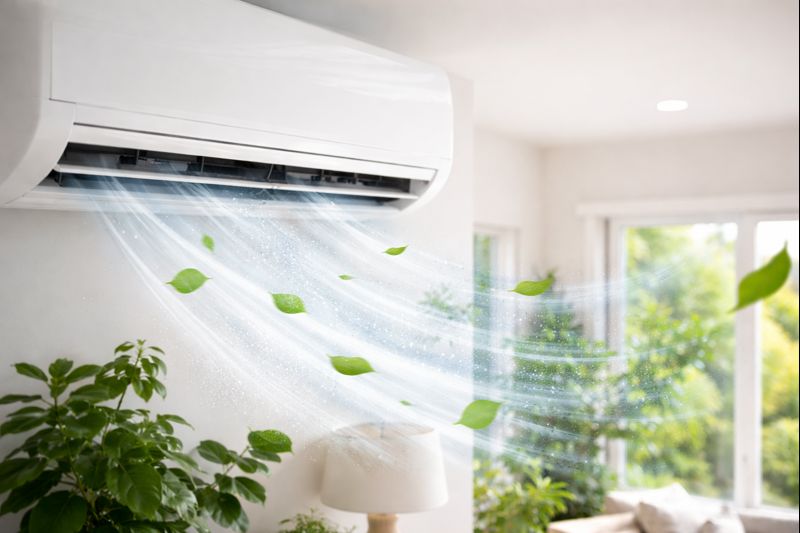
Why Healthy Homes Start with Good Design—Not Just Air Purifiers
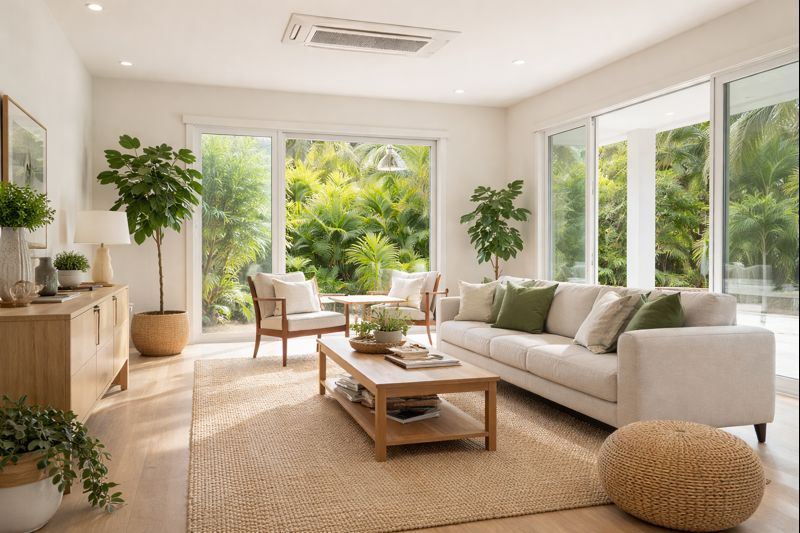
When people think about healthy homes, they often focus on finishes, appliances, or the latest smart gadget. What’s far less visible—but far more impactful—is indoor air quality (IAQ). In hot, humid climates like South Florida, poor IAQ quietly drives health issues, building deterioration, and long-term operating costs.
The truth is simple: air quality is a design problem before it’s a mechanical one. And architects play a critical role in getting it right.
Why Indoor Air Quality Matters More Than You Think
Most Americans spend 90% of their time indoors, yet indoor air can be 2–5 times more polluted than outdoor air. In Florida, high humidity, tight construction, and air-conditioning-dependent lifestyles amplify the problem.
Hidden costs of poor IAQ include:
- Chronic respiratory irritation and allergies
- Mold growth and structural damage
- Increased HVAC energy use
- Premature material failure
- Reduced occupant comfort and productivity
These costs don’t always show up immediately—but they compound over time.
Ventilation: The Foundation of Healthy Air
Proper ventilation is not about adding more vents—it’s about intentional air movement.
Balanced Ventilation Systems
Modern homes should use balanced mechanical ventilation, such as:
- Energy Recovery Ventilators (ERVs)
- Heat Recovery Ventilators (HRVs)
In humid climates, ERVs are especially effective, as they help control moisture while exchanging stale indoor air with fresh outdoor air.
Design-Driven Airflow
Architectural layout matters:
- Aligning spaces for cross-ventilation where possible
- Separating pollutant-heavy rooms (laundry, garages, kitchens)
- Avoiding dead-air zones through thoughtful room proportions
Good ventilation starts with the plan, not the equipment schedule.
Humidity Control: Florida’s Silent Enemy
In South Florida, humidity is the single biggest driver of poor indoor air quality.
Why Humidity Matters
High indoor humidity:
- Feeds mold and mildew
- Traps airborne contaminants
- Makes spaces feel uncomfortable even at lower temperatures
The ideal indoor relative humidity range is 40–55%—a challenge in tropical climates without proper design.
Architectural Solutions
- Proper building orientation and shading
- High-performance envelopes with continuous air barriers
- Right-sized HVAC systems (oversized systems short-cycle and fail to dehumidify)
- Dedicated dehumidification when necessary
Humidity control is not optional—it’s fundamental.
Materials Matter: What Your Home Is Made Of Affects the Air You Breathe
Many common building materials emit volatile organic compounds (VOCs) long after construction is complete.
Problematic Materials
- Low-quality paints and sealants
- Synthetic flooring and adhesives
- Pressed-wood products with formaldehyde
Healthier Choices
- Low-VOC or zero-VOC paints
- Natural or responsibly manufactured wood products
- Mineral-based finishes
- Greenguard-certified materials
Architects can specify materials that are not only durable and beautiful, but also healthier for occupants.
HVAC Design: Bigger Is Not Better
One of the most common IAQ mistakes is oversizing HVAC systems.
Common Issues
- Short cycling reduces humidity removal
- Poor filtration allows particulates to circulate
- Leaky ductwork introduces contaminants from attics or crawlspaces
Better HVAC Design
- Proper load calculations (Manual J)
- High-efficiency filtration (MERV 8–13, depending on system)
- Sealed and insulated ductwork
- Separate ventilation from cooling when appropriate
Mechanical systems should support the architecture—not compensate for poor design.
Mold: A Design Failure, Not Just a Maintenance Issue
Mold is often treated as a cleanup problem, but in reality, it’s a design failure.
Mold thrives when:
- Moisture is allowed to accumulate
- Airflow is stagnant
- Materials are vulnerable
Preventing mold means:
- Designing for drainage and drying
- Avoiding moisture traps in wall assemblies
- Selecting mold-resistant materials
- Maintaining consistent indoor conditions
In flood-prone and humid regions, mold-resilient design is essential.
Healthy Design Is Sustainable Design
Homes with good IAQ:
- Use less energy
- Last longer
- Require fewer repairs
- Support occupant wellness
Sustainability isn’t just about solar panels—it’s about creating buildings that perform well over decades, not just at inspection.
What Architects Can—and Should—Do
Architects are uniquely positioned to:
- Integrate ventilation early in design
- Specify healthier materials
- Coordinate HVAC systems holistically
- Design envelopes that manage heat and moisture
- Balance energy efficiency with occupant wellness
When these decisions are made early, they cost less, perform better, and last longer.
Designing Healthier Homes in South Florida
At Sebastian Eilert Architecture, we believe healthy indoor environments are not upgrades—they are fundamental to good design. From renovations to new construction, we integrate ventilation, material selection, and climate-specific strategies that support both sustainability and human health.
📩 Contact: info@sebastianeilert.com
🌐 Website: https://sebastianeilert.com
If you’re planning a renovation or new home and want to breathe easier—literally—let’s design it right from the start.
 Miami Green Homes
Leave a comment