

Hurricane season officially begins on June 1, and in South Florida, preparation should already be underway. Miami faces a unique combination of risks during tropical weather events, including storm surge, flooding, prolonged power outages, aging infrastructure, fallen trees, mold growth, and extreme post-storm heat and humidity.
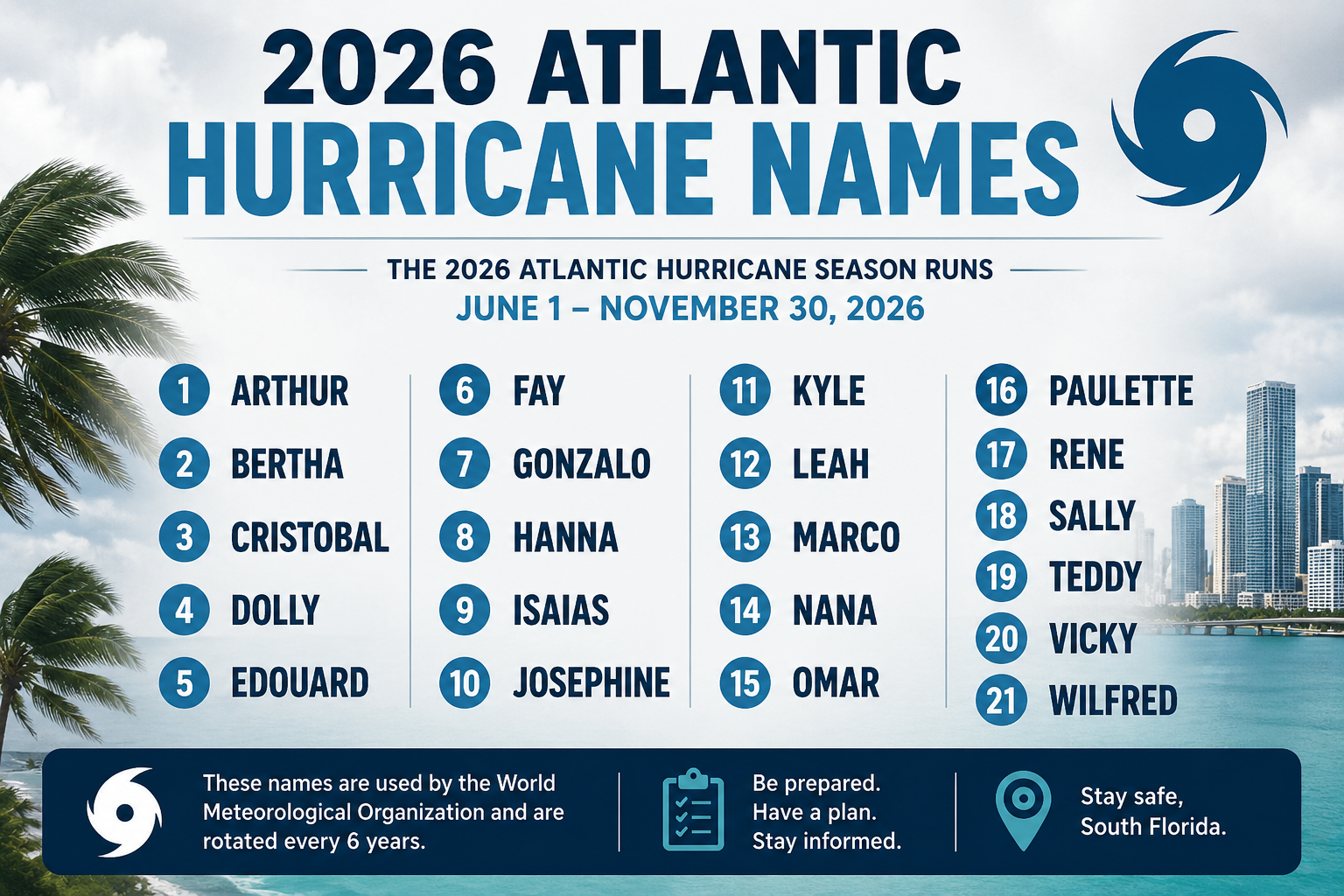
Even during quieter Atlantic seasons, a single storm making landfall in South Florida can create significant disruption. For Miami homeowners, hurricane preparedness is not just about emergency supplies — it is also about maintaining and protecting the long-term resilience of your property.
One of the biggest mistakes residents make is waiting until a storm is already approaching. Insurance policies should be reviewed early, especially flood coverage, roof limitations, hurricane deductibles, and temporary housing provisions. Homes should also be inspected for vulnerable conditions such as aging roofs, deteriorated seals around windows and doors, unsecured outdoor elements, blocked drainage systems, and outdated shutters or impact protection systems.
In Miami, flooding is often as destructive as wind. Yard drains, gutters, roof scuppers, sump systems, and swales should all be checked before heavy rain events begin. Localized flooding can happen quickly, even outside evacuation zones.
Power outages are another major concern in South Florida. High temperatures combined with humidity can quickly make homes unsafe after extended electrical failures. Generator systems, transfer switches, refrigeration plans, backup batteries, and emergency lighting should all be tested before the season begins — not during it.
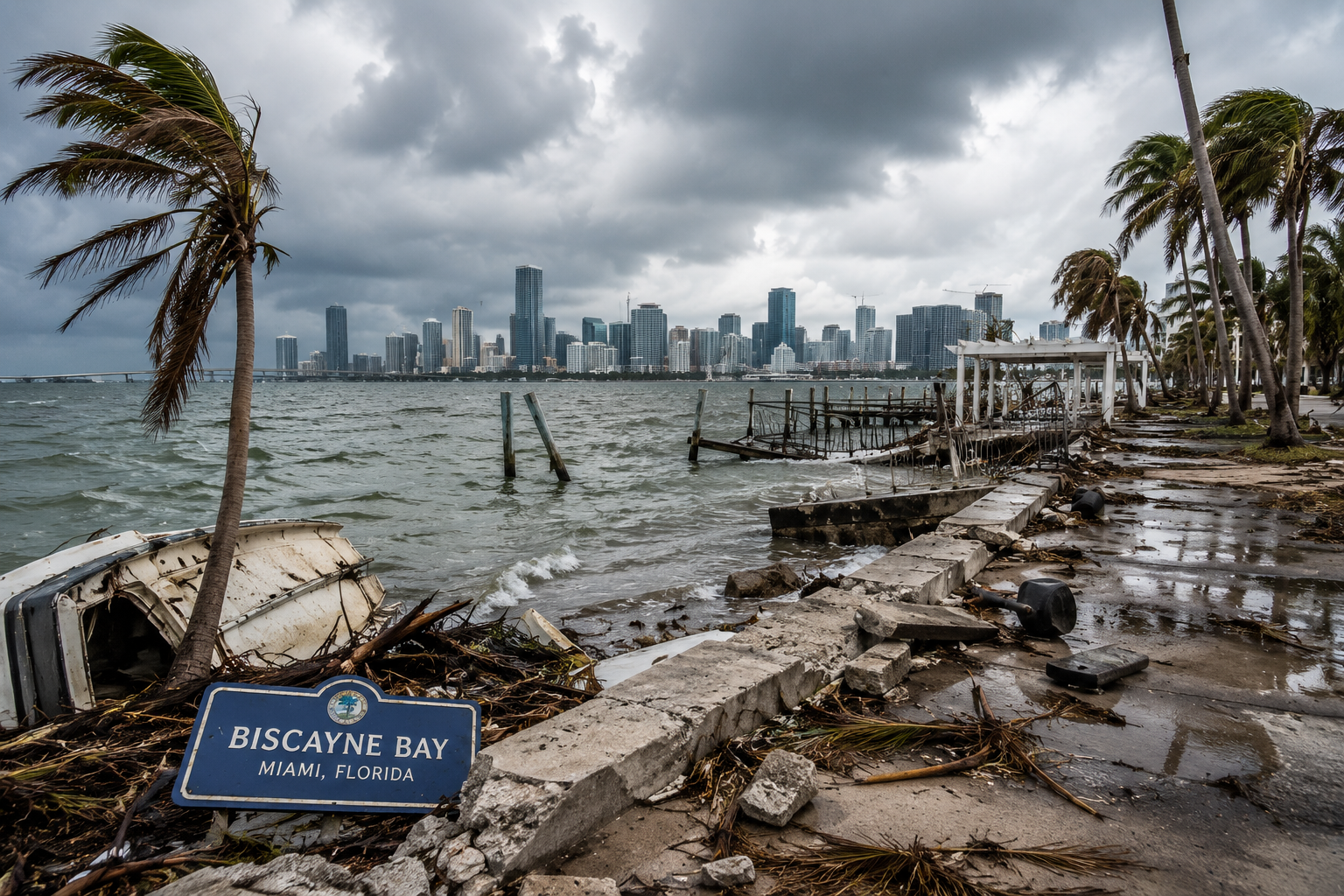
Condominium residents should also verify evacuation procedures, elevator backup systems, flood exposure at parking levels, and building emergency protocols. Many residents assume newer buildings are automatically storm-ready, but deferred maintenance and system vulnerabilities can still create major issues.
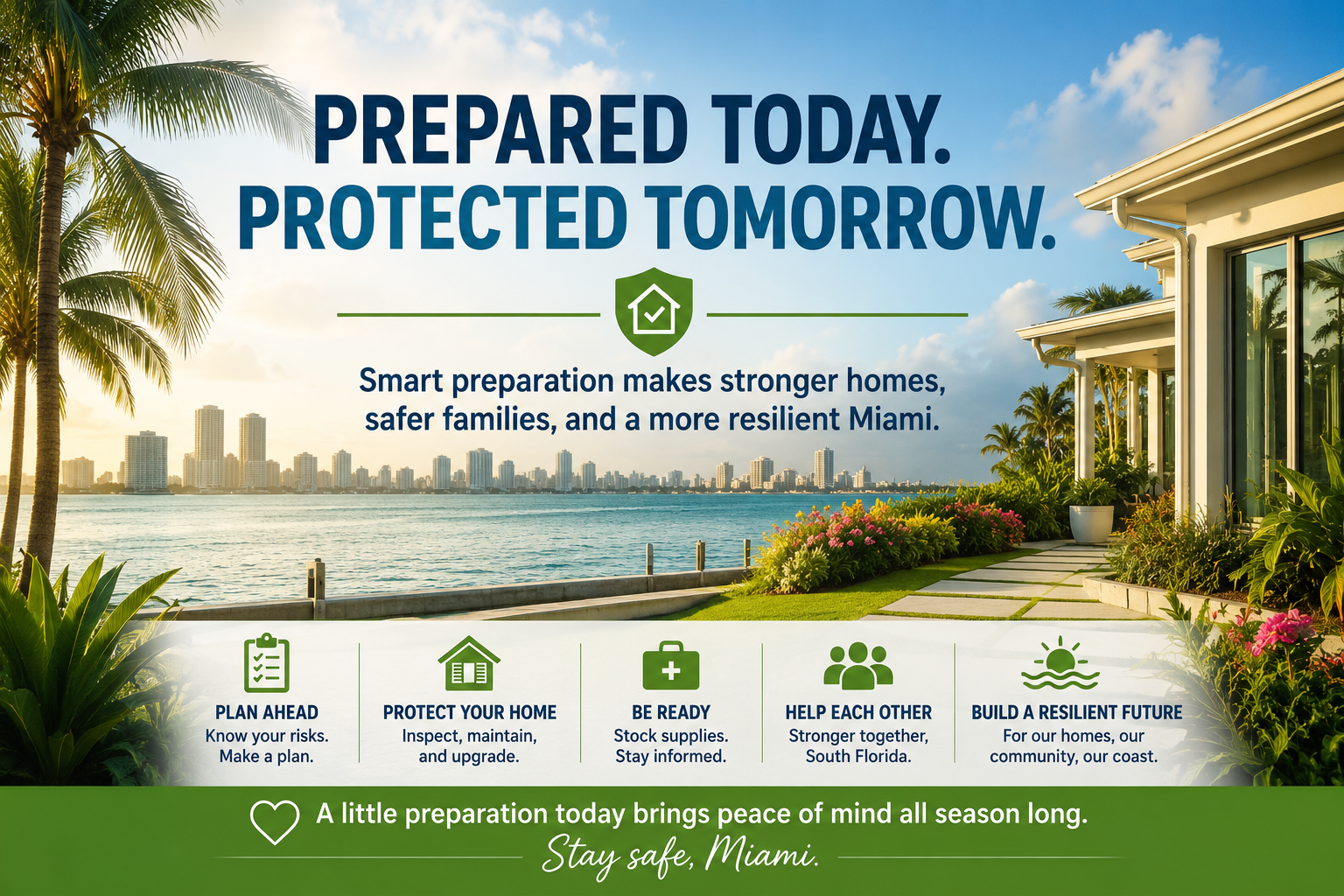
Preparedness today also means thinking long-term. Resilient homes in South Florida are increasingly being designed around flood mitigation, impact protection, moisture resistance, passive cooling strategies, backup power integration, and durable low-maintenance materials that can withstand repeated weather exposure over time.
Essential Hurricane Resources for Miami Residents
Miami-Dade County Hurricane Preparedness
Miami-Dade Hurricane Guide
Miami-Dade Evacuation Zone Information
Miami-Dade Evacuation Maps
Emergency & Evacuation Assistance Program
Miami-Dade EEAP Program
National Hurricane Center (Miami)
National Hurricane Center
NOAA Hurricane Preparedness Resources
NOAA Hurricane Prep
Florida Power & Light Storm Center
FPL Storm Center
Federal Hurricane Readiness Information
Ready.gov Hurricane Guide
Hurricane preparation in South Florida should begin before the first advisory, before the hardware stores are crowded, and before supplies become difficult to find. One storm is enough to expose vulnerabilities that may have gone unnoticed for years.



Leave a Reply