
Building for the next 100 years: Thoughtful architecture anticipates change—creating places that remain useful, resilient, and relevant for generations.
A building’s opening day is only the beginning of its story. The more revealing question is how well it will serve the people who use it twenty, fifty, or even a hundred years from now.
Families grow. Priorities shift. Technology evolves. Environmental conditions place new demands on our homes and communities. Yet many design decisions are made around a narrow snapshot: today’s owner, today’s needs, and today’s construction budget.
What happens when that snapshot changes?
That question sits at the center of future-proofing, an approach that informs my work at Sebastian Eilert Architecture and the foundation of my forthcoming book, Future-Proofing Design: Building for the Next 100 Years.
What Does Future Proofing Mean?
In my work, future-proofing means designing environments that anticipate change so they remain functional, resilient, and relevant across generations.
It brings time into the design process. Alongside questions about space, materials, light, and form, we ask how a building will age, how it might need to change, and what it will require from the people responsible for its care.
Sustainability provides an essential foundation. Future-proofing expands that conversation to encompass durability, resilience, adaptability, wellness, and long-term stewardship. These considerations connect environmental responsibility with the practical realities of ownership and everyday life.
An efficient home, for example, still needs to accommodate its occupants as their lives evolve. A durable material needs appropriate detailing and a realistic maintenance strategy. New technology needs a path for eventual replacement.
The value lies in how these decisions work together over time.
The word “proofing” does not promise immunity from every future challenge. It describes a deliberate process of anticipating change, reducing avoidable vulnerabilities, and preserving options. We cannot know exactly what the next century will bring. We can design with enough foresight to leave future owners better prepared.
Looking Beyond the Day Construction Ends
My experience in architectural practice, building inspection, forensic evaluation, and teaching has repeatedly brought me back to the same observation: design decisions have consequences that extend far beyond the completion of construction.
Some become visible through weathering or maintenance. Others emerge when a family’s needs change, a building system becomes obsolete, or a renovation reveals how difficult it is to modify the original construction.
Future-proofing asks us to consider those moments earlier.
Can a home support changing mobility needs while preserving the qualities that make it enjoyable? Can equipment be serviced or replaced without damaging otherwise sound construction? Can a room accommodate a different purpose as work and family patterns evolve?
In South Florida, these questions also intersect with heat, moisture, storms, and the demands of a coastal environment. The relationship between a building and its setting deserves attention throughout its life.
This introduces a broader understanding of value. The initial construction cost matters, but so do the ongoing demands of ownership, the usefulness of the spaces, and the ability to make changes without starting over.
A building that remains useful is a building people have reason to care for. That connection between design, longevity, and stewardship is central to my approach.
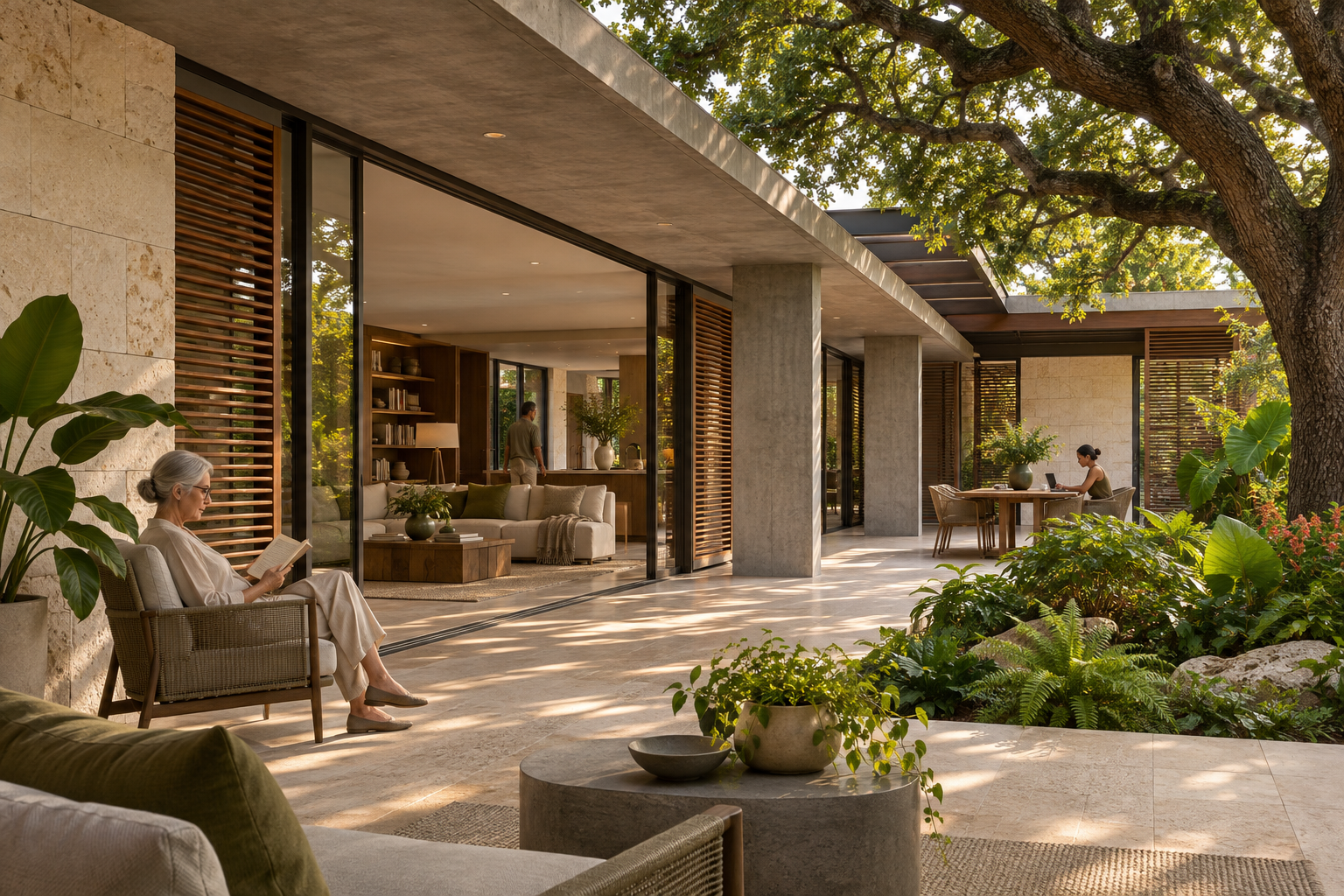
A Longer View, One Idea at a Time
This article begins Future Proofing 101, a series exploring the questions behind architecture designed to endure.
Each installment will draw on a focused theme from my book and educational framework. We will look at how buildings age, what makes spaces adaptable, how material choices influence long-term performance, and why the experience of the people inside a building must remain central to its design.
These will be brief, practical explorations—an opportunity to examine one idea and consider how it might change a decision about your own property or project.
For design professionals seeking a deeper understanding, an AIA-approved continuing education course is planned for launch before the end of 2026. Course details and upcoming installments will be shared here.
The starting point is simple: What will the building you design today allow someone to do tomorrow?
At Sebastian Eilert Architecture, we help owners connect their immediate ambitions with a longer vision for their property. Whether you are planning a new home, considering a renovation, or evaluating how an existing building can serve you better, future proofing begins with the right conversation.
Contact Sebastian Eilert Architecture to discuss how thoughtful design can support your property’s next chapter—and the generations that follow.


Leave a Reply