

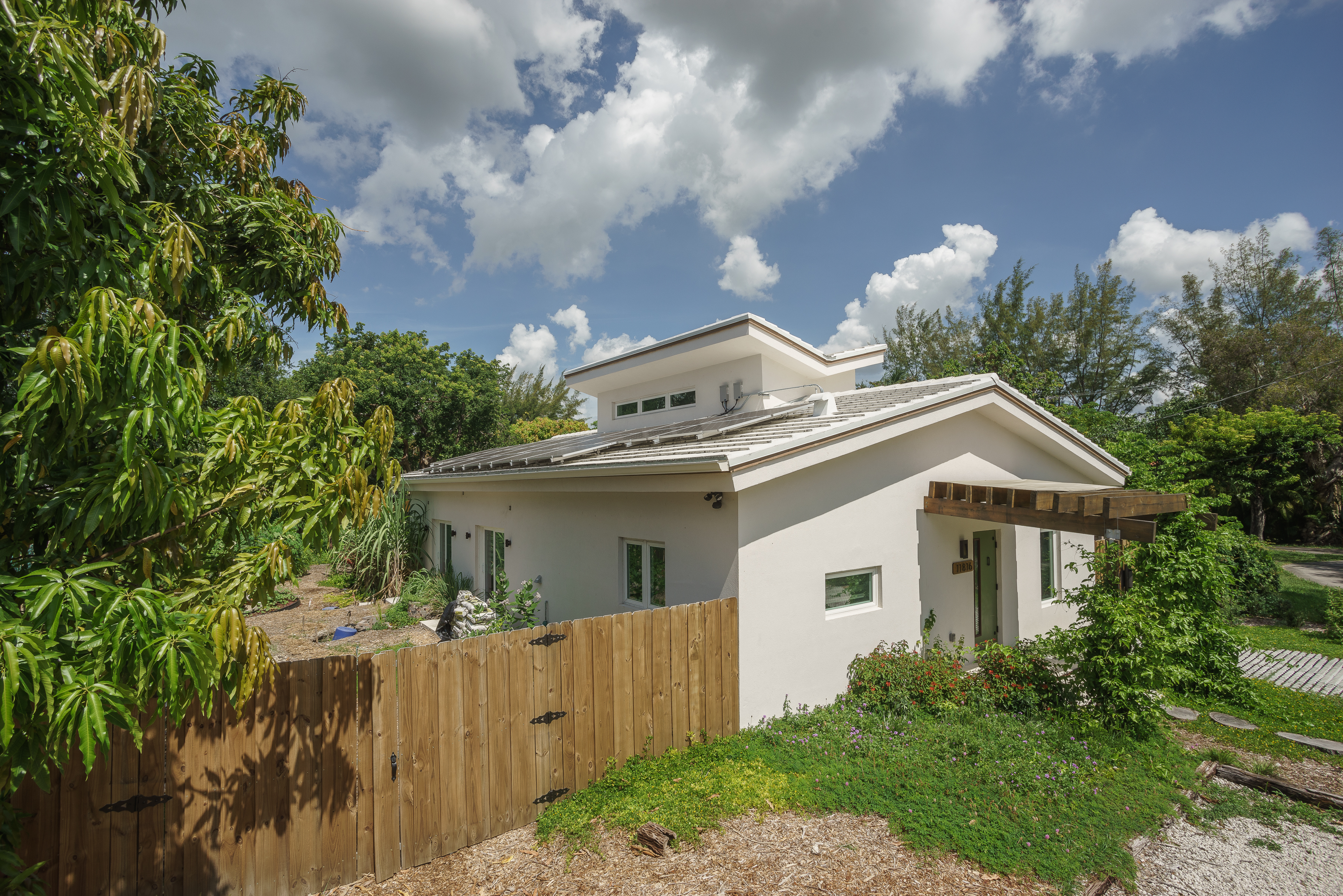
Insulated concrete form (ICF) home construction offers a myriad of sustainable benefits that will undoubtedly have a lasting impact on the future of construction. By utilizing ICFs, homeowners can significantly reduce their energy consumption and carbon footprint, thanks to the superior thermal insulation properties of the material. The durability and strength of ICFs also ensure long-term performance, reducing the need for costly repairs and maintenance over time.
Furthermore, the versatility of ICF construction allows for unique design opportunities that can be tailored to meet individual needs and preferences while still maintaining high levels of sustainability. In addition to being exceptionally energy-efficient, ICF homes are resistant to mold, pests, and natural disasters, making them a smart choice for environmentally-conscious individuals looking to invest in a sustainable and resilient living space.
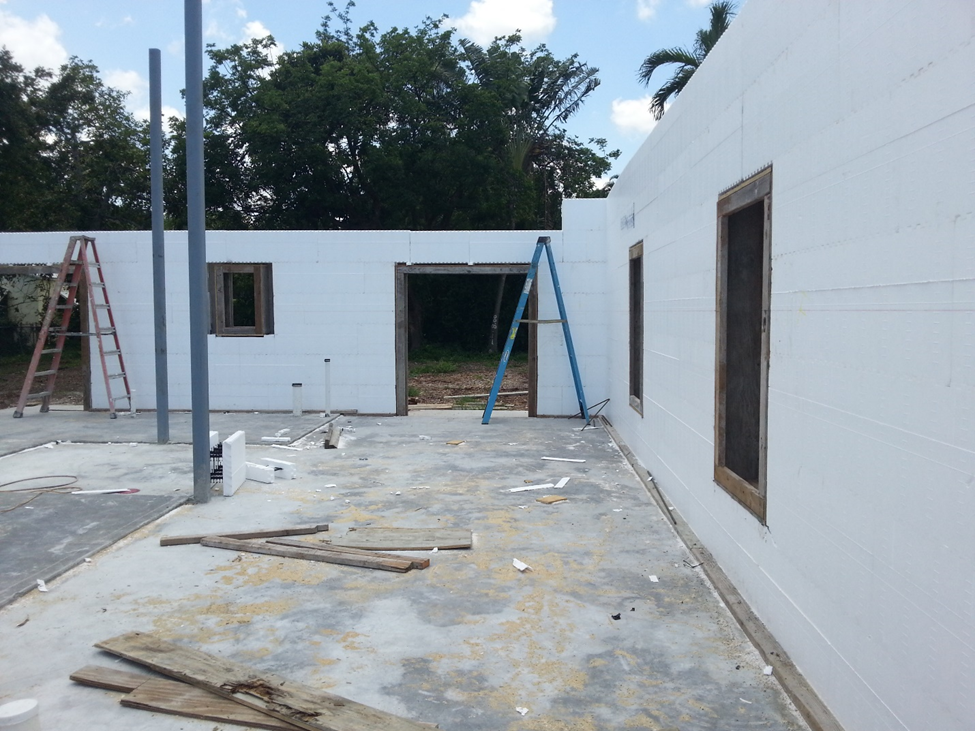
As we continue to prioritize eco-friendly building practices, ICF construction is a impactful way to approach residential architecture in a bold step towards a more sustainable future. With the increasing focus on reducing our carbon footprint and combating climate change, the demand for eco-friendly housing solutions like ICF construction is only expected to grow. Not only do ICF homes offer long-term cost savings through energy efficiency, but they also provide a healthier living environment for occupants. By choosing ICF construction, individuals can make a positive impact on the environment while enjoying the benefits of a durable and customizable home.
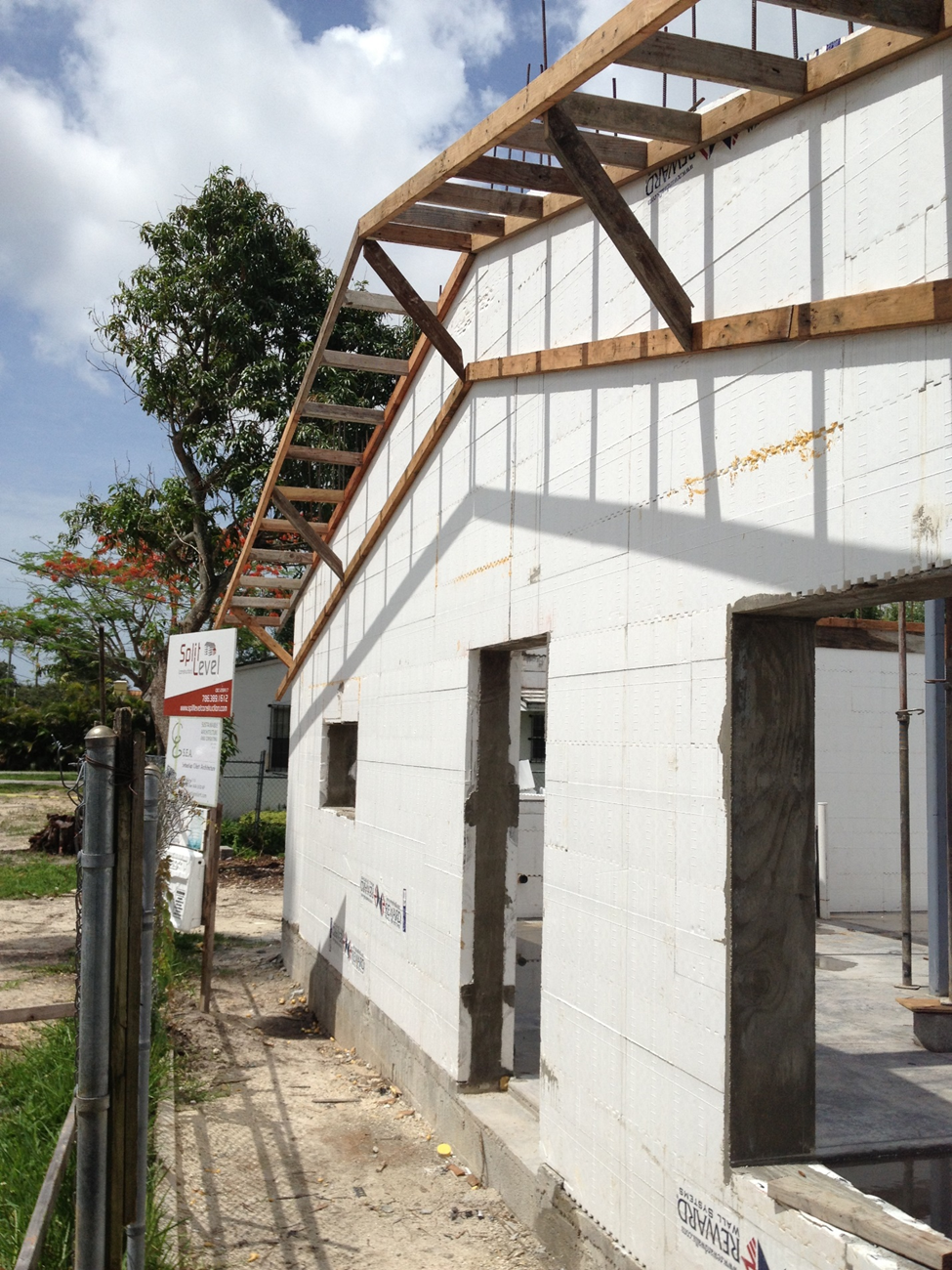
Sebastian Eilert Architecture has incorporated ICF construction successfully into multiple past projects, including the LEED Platinum GaiaMa residence (click here for more project images) in Biscayne Park, Florida. ICF is a key components of SEA’s design choices for future proofing projects to be more resilient. Contact SEA – HERE
 Miami Green Homes
Leave a comment