
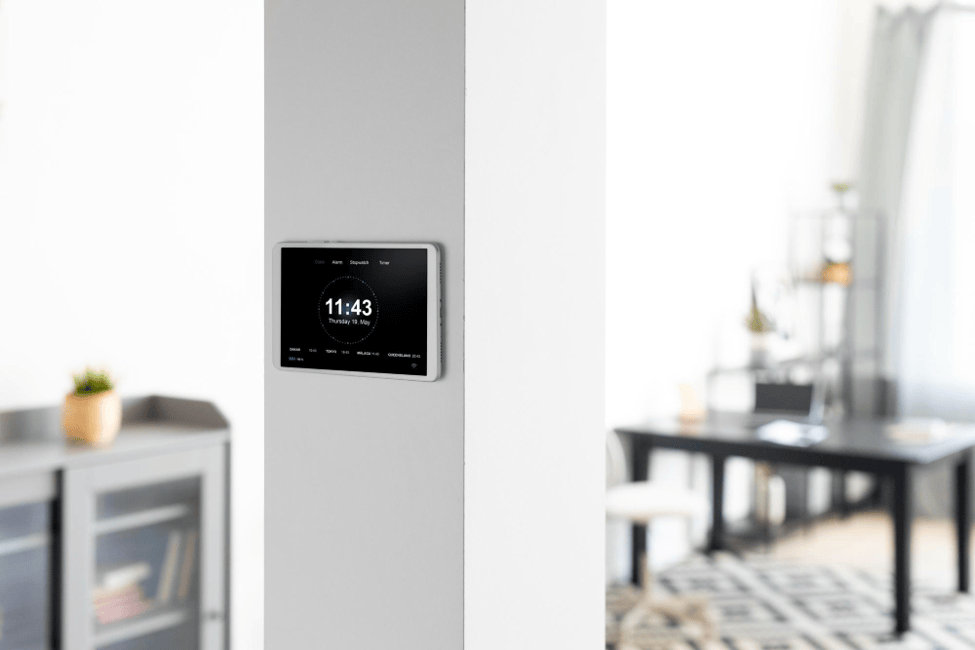
Homeowners interested in sustainability often hit the same wall during a remodel: choices that look “green” on paper can feel disconnected from real comfort, convenience, and monthly costs. Eco-friendly home remodeling can reduce waste and resource use, but it’s easy to miss the systems-level decisions that drive long-term results. Pairing it with smart home technology benefits helps align daily habits with energy-efficient home upgrades, so the home runs cleaner without constant effort. The payoff is simpler living with measurable environmental impact reduction.
Understanding the “Why” Behind Eco-Smart Remodels
Eco-smart remodeling works best when you treat the home like one connected system, not a pile of upgrades. The goal is to understand sustainable layout choices, efficient heating and cooling, automation, low-impact materials, renewable power, and cleaner indoor air so each decision has a clear purpose. This mindset turns products into outcomes, like lower bills, better comfort, and healthier rooms.
It matters because “green” choices can backfire when they fight each other, like tight air sealing without proper ventilation. Many smart home systems can help you manage energy usage with less daily effort, which makes savings more reliable. Eco choices also tend to make economic sense over the long run.
Think of it like planning a balanced meal, not buying random supplements. You might choose induction cooking, better insulation, and a smart thermostat, but only after deciding what comfort and air quality should feel like. Then the tech and materials simply support that target. With the “why” clear, it’s easier to spot remodel changes that could create warranty gaps.
Check Your Warranty Before Renovating: Avoid Coverage Surprises
Once you understand the principles behind eco-smart design, it’s worth protecting your home’s “baseline” before you start changing what’s behind the walls. Before any renovation, especially upgrades that touch framing, plumbing, wiring, or HVAC, review your existing builder’s warranty so planned work doesn’t accidentally void coverage for structural elements or major systems. A builders warranty typically covers defects in materials, workmanship, distribution systems, and the home’s structure, but certain modifications can affect what remains protected.
Skim the terms for what’s excluded, what requires approved methods or installers, and what documentation is needed if you later need to file a claim. If you want a simple overview of what’s generally included, this home builder warranty guide can help you spot potential coverage gaps before you invest in new eco-friendly improvements.
Turn Your Remodel Plan Into Eco-Smart Upgrades
This roadmap helps you move from ideas to a practical, eco-friendly smart remodel without rework or wasted purchases. For most households, the right sequence keeps costs predictable and makes each upgrade perform better.
- Step 1: Set goals and capture your home’s baseline
Start with 2 to 3 priorities such as lower utility bills, better comfort, or cleaner indoor air, then list the rooms and systems you plan to touch. Document current pain points (drafty rooms, uneven temperatures, high bills) and take photos of mechanical areas so you can compare improvements later. - Step 2: Tackle the building shell first (air sealing + insulation)
Seal obvious air leaks around doors, attic hatches, and plumbing penetrations, then plan insulation upgrades where access is easiest. A tighter, better-insulated home reduces how hard your HVAC must work, which can let you size future equipment more accurately. - Step 3: Upgrade efficiency workhorses (HVAC, water heating, appliances)
Replace aging equipment with high-efficiency models in the order that affects the most energy use in your home, typically heating and cooling first. Choose appliances that match your household habits (right-sized fridge, efficient laundry) so you avoid paying for capacity you will not use. - Step 4: Add smart controls (thermostats, lighting, and scheduling)
Install a smart thermostat and set up simple schedules before adding lots of extra devices, since comfort and HVAC control usually deliver the fastest day-to-day payoff. Planning for growth helps, because the average U.S. household already has 21 connected devices of all kinds, according to Deloitte’s 2023 Connected Consumer Survey, and smart home gear can add up quickly if you buy products that do not play well together. - Step 5: Plan solar and other big installs after efficiency is in place
Get quotes once your insulation, air sealing, and major equipment choices are finalized so your installer can size systems based on your improved energy needs. If you are adding solar, confirm roof condition, electrical panel capacity, and permit timelines; then choose monitoring that ties into your smart home dashboard for easy tracking.
Eco-Friendly Smart Remodel Questions, Answered
Q: What do eco-friendly smart upgrades usually cost, and where should I start?
A: Costs vary widely, so start with a home energy assessment and pick one “high-impact” project. Air sealing, insulation, and a smart thermostat tend to be affordable compared with full HVAC or solar. It can help to remember Americans spent $603 billion on home remodeling projects in 2024, so a phased plan is normal.
Q: How can I make sure my smart devices will work together?
A: Choose one main ecosystem first, then buy devices that clearly list compatibility with it. Look for open standards support and keep your Wi-Fi coverage strong before adding more gadgets. Save receipts and test one room at a time.
Q: What energy savings are realistic after a remodel like this?
A: Expect steady improvements, not overnight miracles. The biggest wins usually come from reducing leaks and improving HVAC control, especially in homes with comfort issues. Track monthly bills and use device dashboards to compare before and after.
Q: How do I maintain green systems without constant upkeep?
A: Put recurring tasks on a calendar: change HVAC filters, clean heat pump coils if applicable, and check for small plumbing leaks. For solar, periodic monitoring and an annual visual inspection catch most issues early.
Q: What environmental benefits can I actually measure after the remodel?
A: You can measure lower energy and water use, fewer peak-demand spikes, and improved indoor air quality. A practical benchmark is the idea that sustainability in home renovation aims to reduce energy and water usage while improving indoor air.
Start One Smart, Sustainable Upgrade for Lasting Home Value
Balancing upfront costs with the desire for a greener, more connected home can feel like a lot to coordinate. The steady path is to think in systems, pair eco-friendly remodeling choices with smart controls that make efficiency and comfort easier to maintain over time. Done this way, long-term energy savings show up in your bills, day-to-day comfort improves, and increased property value follows as the home becomes more future-ready. Eco-friendly smart remodeling works best when you start small and build with intention.


Leave a Reply